
How To Market Your Streetwear Brand Like 424
Let me take you back to the streets of Los Angeles in 2024. A sleek store on Melrose Place now draws in some of the biggest names in fashion. Inside hang garments that cost more than a month’s rent. Each piece bears a red armband, a symbol that now stands for luxury streetwear. But before the amazing streetwear marketing of 424 in 2010, this same brand—424—was born on the rougher blocks of Fairfax Avenue. Twenty years before that? Its founder was crossing the Mexican border with nothing but thrifted clothes on his back.
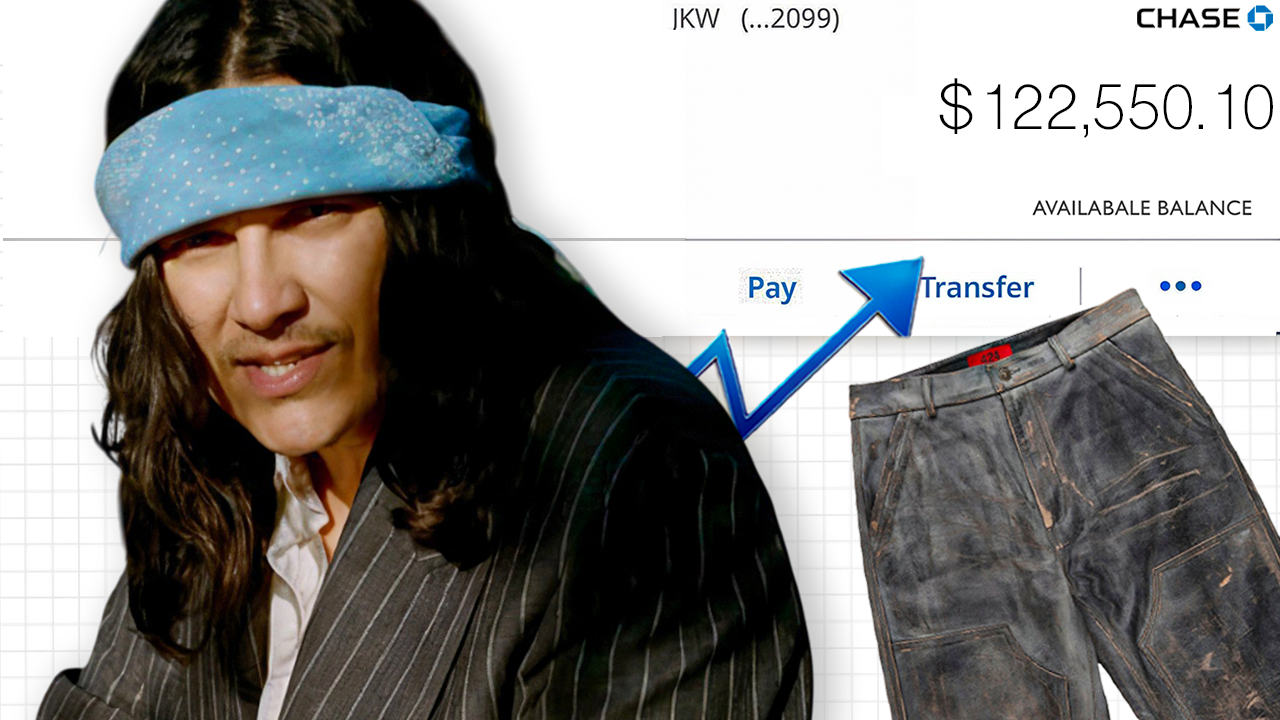
Guillermo Andrade, the mind behind 424, never set out to play by the fashion industry’s rules. He didn’t have a design degree or backing from legacy fashion families. What he had was a unique perspective, an immigrant story, and an obsession with quality. That raw authenticity turned 424 into a name that could sit comfortably alongside Dior, Selfridges, and Isetan.
From Survival to Style
Guillermo’s early life in California wasn’t easy. Constantly moving, adapting, and navigating between vastly different communities, he used clothing as armor. He began sourcing high-end thrift finds, tweaking them to fit, and showing up to school looking like he had everything together—even when he didn’t.
He was designing without even knowing it. These modified blazers and polos weren’t about status; they were about survival. But they planted the seeds of a deeper understanding: clothes tell stories. They communicate who we are and where we come from. That ethos would become the backbone of 424.
FourTwoFour on Fairfax: A New Kind of Store
By 2010, Guillermo opened FourTwoFour on Fairfax. But it wasn’t your typical streetwear shop. It was a cultural hub. He brought together Japanese denim, Bay Area skate decks, vintage European fashion, and garage-level LA designers. It wasn’t about exclusivity; it was about inclusion. The shop became a research lab for what would later become the 424 brand.
When Coordinates Tell Stories Through Streetwear Marketing
In 2015, stuck in LA without the ability to travel, Guillermo turned to Google Earth. He began dropping pins on places he dreamed of visiting. That visual map of longing became a literal fashion map—garments adorned with coordinates, each representing a dream, a separation, or a memory.
The launch of 424’s first collection wasn’t safe. It wasn’t basic. It was personal. And that’s what made it powerful. Whether you connected with the story or just liked the aesthetics, the pieces stood out in a saturated market.
Evolving Core Pieces: Quiet Rebellion
While other brands chased trends, Guillermo chased perfection. He built core wardrobe pieces that could live in a carry-on—tailored to travel, to life, to reality. Each season, the team refined rather than reinvented. They adjusted fabrics, details, and functionality.
In a time when fashion demands constant newness, 424 doubled down on timelessness. This commitment turned industry heads and earned the brand international credibility.
Strategic Partnerships & Unlikely Moves Through Streetwear Marketing
The Arsenal FC collaboration in 2020 changed the game. It wasn’t just kits and warm-ups; it was full wardrobes, reflecting both athletic utility and streetwear sophistication. Guillermo even convinced Arsenal to let 424 sponsor the women’s team—a Premier League first. This is truly the power of streetwear marketing if done properly, but you have to understand your brand values.
Soon after, collaborations with Dior, Adidas, and pop-ups in Melrose solidified 424’s position as a brand that could move between the streets and the runways with ease.
Material Obsession
Most brands start with materials everyone has access to. Guillermo didn’t. He began developing 424’s fabrics from scratch. Hundreds of prototypes. Months of testing. One-of-a-kind results like suede-corduroy leather blends. The red armband came to signify more than a brand—it represented quality you could feel.
The Streetwear Marketing Playbook
This brings us to the value for you, especially if you’re diving into streetwear marketing:
1. Start With Product, Not Hype
Guillermo didn’t launch with logos or celebrity endorsements. He made clothes that spoke for themselves. Focus on product quality and meaning first. Hype will follow.
2. Build Real Spaces for Real People From Streetwear Marketing
FourTwoFour wasn’t just a shop. It was a community center. If you’re building a brand, create environments where your audience can interact with your story.
3. Use Instagram Intentionally
Guillermo leveraged Instagram to highlight craft, not just clout. His grid wasn’t filled with flashy promos but with behind-the-scenes moments, quality shots, and thoughtful captions. Focus on sharing your process and values. Respond to comments. This isn’t just engagement it’s relationship-building organically instead paying for ads to boost post for streetwear marketing.
4. Create a Discord Server for Direct Feedback
In today’s landscape, feedback loops are priceless. Use Discord to invite your core community. Share prototypes. Get real-time reactions. Offer exclusive drops or early access. Let your audience feel involved. This is the best way to build real hype and have a long lasting brand with streetwear marketing.
5. Stay Small to Get Big
Guillermo rejected mass production in favor of lasting impact. Start with limited drops. Get your garments into the hands of people who understand what you’re doing. Let them become your ambassadors. If you would like to watch a full breakdown of the topic here is the link.
424 built a brand on raw expression — not trends. If you liked this, you’ll wanna check how Asspizza made his mark, how Golf Wang flipped the internet, and how Kith keeps it polished but powerful. All different vibes, but every one of them has lessons worth stealing.
Final Thoughts
Streetwear marketing isn’t about screaming the loudest. It’s about making people feel seen. 424 is a masterclass in that. Built from nothing. Rooted in truth. Focused on product. Driven by community. If you want to build something that lasts, remember this: people will forget your campaign, but they won’t forget how your brand made them feel.
Focus on that—and the rest will follow.